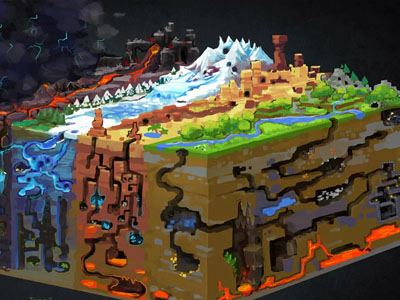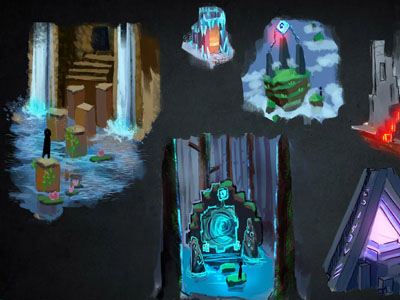


Welcome to our in-depth exploration of the environmental systems that make Hytale's world feel alive. This guide provides a comprehensive analysis of the intricate biomes, dynamic weather, and advanced visual technologies that work in harmony to create Orbis—a cohesive, immersive universe where every environment tells a story and every system interacts with the player.
Hytale's world-building relies on several interconnected systems that create a believable and reactive environment. Understanding these core pillars is key to appreciating the depth of the game's design, whether you're exploring, building, or surviving.
| Element | Primary Function & Impact |
|---|---|
| Biome System | Defines the foundational climate, native vegetation, wildlife populations, terrain generation, and overall atmospheric mood for each region. |
| Dynamic Weather System | Modifies atmospheric conditions, visibility, and lighting in real-time, creating unpredictable and immersive environmental challenges. |
| Real-Time Shadows | Provides a natural day/night light cycle and casts realistic, shifting shadows that enhance depth and believability. |
| Bloom & Sunshafts | Adds visual depth and dramatic intensity to light sources, from the sun's rays to magical glows. |
| Customizable Weather | Offers instant, synchronized control over weather presets in both single-player and multiplayer sessions. |
| Advanced Foliage Rendering | Creates a natural, non-uniform appearance for plants and trees, breaking away from blocky monotony. |
| Special Narrative Biomes | Introduces unique zones (like the Haunted Forest) with bespoke atmospheres, dangers, and story implications. |
Biomes in Hytale are more than just backdrops; they are distinct ecological regions with their own rules. Each biome dictates the topography, resources, creature spawns, local micro-climate, and visual identity, directly shaping your gameplay and exploration strategies.
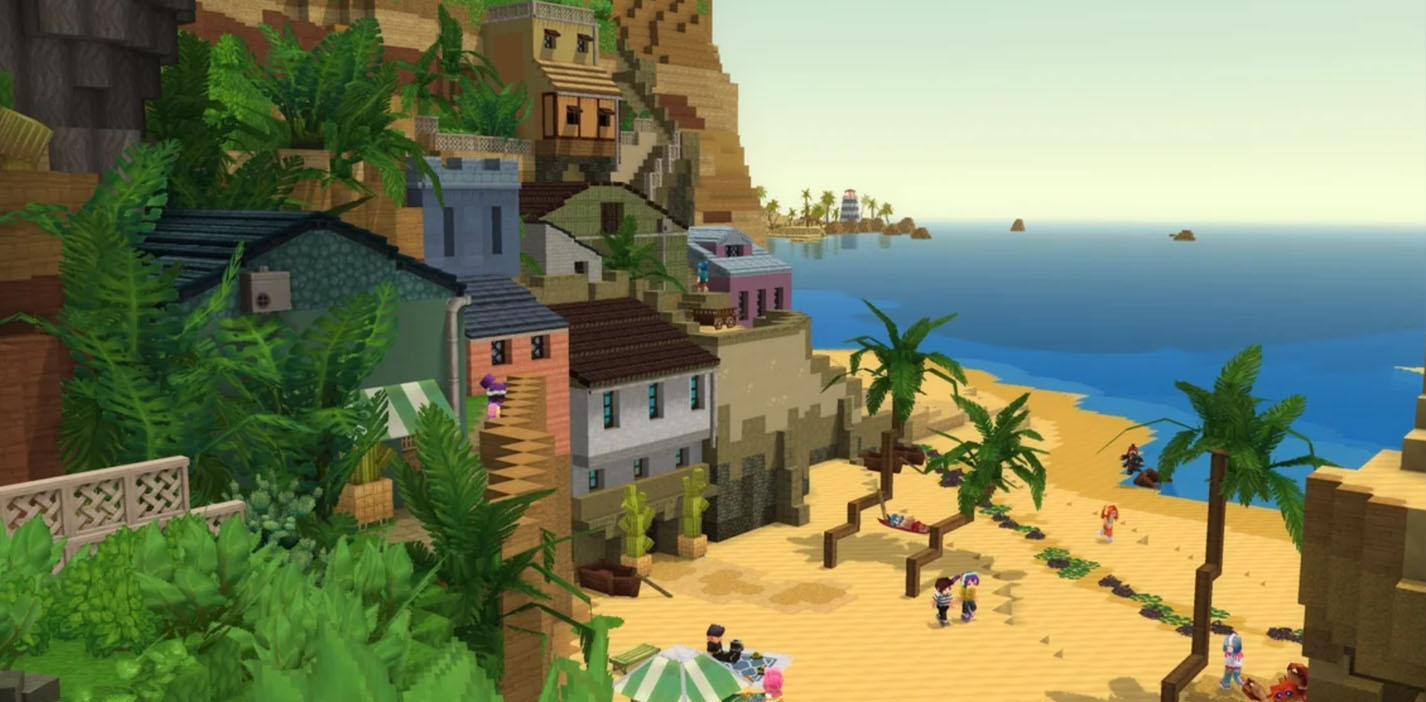
From peaceful meadows to treacherous glacial wastes, the land of Orbis offers a wide spectrum of adventures.
| Biome Name | Description | Key Features & Gameplay Challenges |
|---|---|---|
| Open Meadows | Vast, grassy plains interspersed with scattered woodlands and rock formations. | Abundant basic resources; ideal starting areas for new players; relatively low threat level. |
| Misty Forests | Dense, fog-shrouded woodlands that serve as transitional climate zones. | Blends cold and temperate elements; hosts a diverse mix of fauna; reduced visibility. |
| Boreal Valleys | Cold, serene forests often containing ancient shrines and small temples. | Calm, spiritual atmosphere; potential for discovering lore and treasure. |
| Extreme Glacial Zones | Expansive regions of permanent snow, ice, and dramatic natural architecture. | Extremely hostile environment; requires cold-weather gear; high-risk, high-reward challenges. |
| Haunted Forests | Dark woods permeated by a subtle, malevolent magic that distorts reality. | Dangerous, enchanted wildlife; psychologically unsettling atmosphere; narrative-heavy zone. |
| Misty Swamps | Waterlogged grounds with thick, persistent fog and villages built on stilts. | Primary habitat of the Kweebecs; unique flora and fauna; hazardous, difficult-to-navigate terrain. |
| Gentle Forests | Peaceful, biodiverse woodland areas with a warm, inviting atmosphere. | Common dwelling place for peaceful Kweebec communities; rich in foragable materials. |
| Arid Deserts | Dry regions featuring plateaus, deep canyons, and vast salt flats. | Topographical diversity; influenced by the Feran culture; heat management required. |
| Dense Combat Forests | Deep, dark forest massifs patrolled by aggressive Kweebec warriors. | Frequent, intense combat encounters; resource-rich but highly dangerous. |
| Subterranean Jungles | Complex, sprawling cave networks beneath the surface, home to hidden tribes. | Challenging, vertical terrain with high tactical value; rare resources and secrets. |
The waters of Orbis are equally diverse, each layer presenting unique exploration opportunities and threats.
| Biome Name | Description | Unique Characteristics |
|---|---|---|
| Coastal Shallows | Shallow, sunlit waters along the edges of the continent. | High marine biodiversity; safe for beginners; easy access to oceanic resources. |
| Oceanic Shelves | The intermediate zone between bright shallows and the pitch-black abyss. | Ecological transition area; home to larger schools of fish and mid-tier predators. |
| Deep Abyssal Oceans | Lightless, high-pressure regions at the ocean's deepest points. | Extremely aggressive and bizarre wildlife; requires advanced gear; contains rare minerals and secrets. |
The influence of a biome extends far beyond its looks. It's a living system that affects everything within its borders.
Weather in Hytale is not a mere cosmetic layer; it's an active gameplay system that alters the world's atmosphere, visibility, and even creature behavior in real time. It reacts to the day/night cycle, regional biome properties, and can be controlled by the player.
Players and server admins have fine-grained control over the atmospheric conditions, with changes synchronized across all players in multiplayer.
| Adjustable Element | Description | Common Variants & Effects |
|---|---|---|
| Sky Color & Clouds | Controls the hue and texture of the sky and cloud formations. | Crisp morning blue, overcast afternoon grey, vibrant apocalyptic red. |
| Lunar Textures & Phase | Determines the visual appearance and phase of the moon at night. | New moon (darkness), full moon (bright light), crescent. |
| Night Skybox | Customizes the starfield and celestial bodies visible at night. | Multiple galactic landscapes, from clear Milky Way views to magical constellations. |
| Fog Density & Range | Sets the thickness and view-distance limitation of atmospheric fog. | Light mist, moderate haze, dense pea-soup fog. |
| Precipitation Type | Activates and selects the form of falling weather. | Gentle rain, torrential downpour, blizzard, sandstorm, or none. |
| Ambient Light Temperature | Adjusts the color temperature of the global illumination. | Warm golden hour tones, cool blue twilight, sterile white midday light. |
The system has tangible effects on your experience:
Hytale's distinctive visual style is powered by several modern rendering techniques that add depth, realism, and immersion.
Using a technique called cascaded shadow mapping, Hytale creates shadows that are both performant and realistic.
These post-processing effects are crucial for selling the game's fantasy atmosphere.
Note: These visually demanding features deliver the best experience on PCs with dedicated graphics hardware.
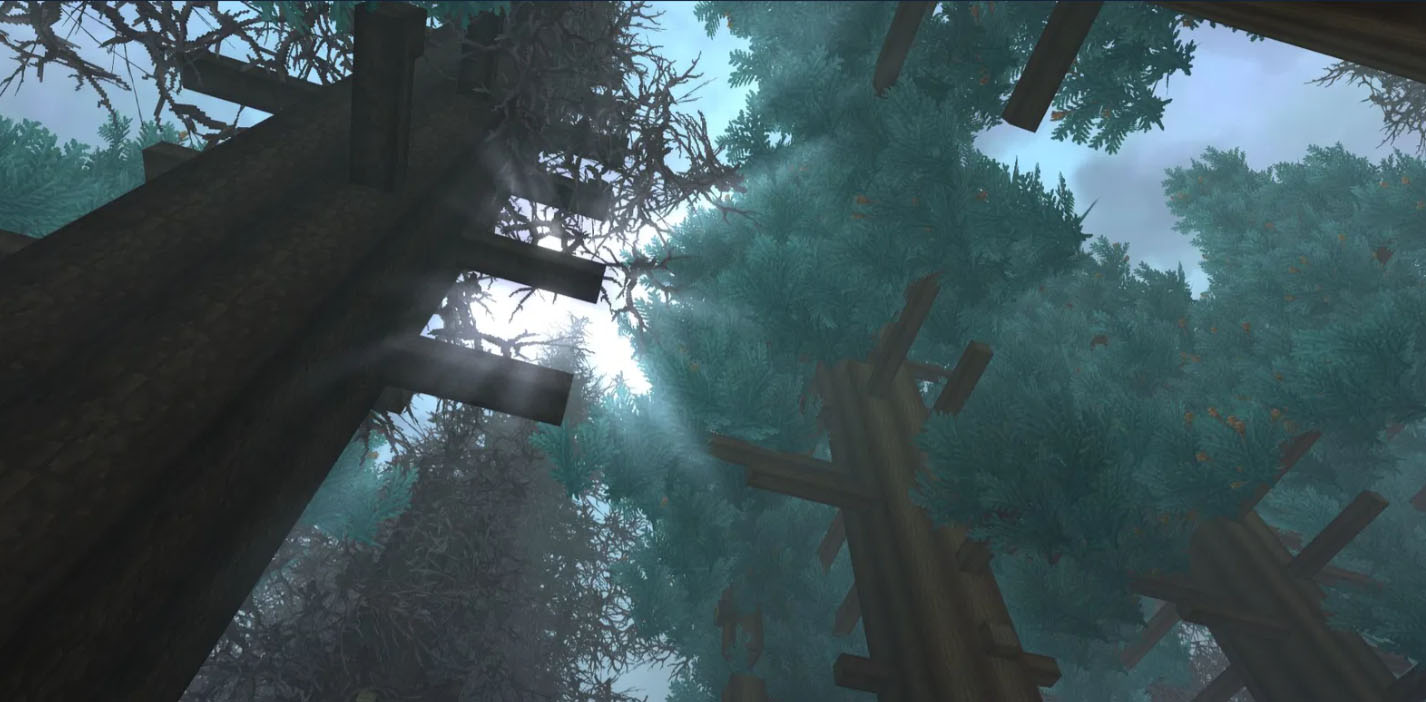
To combat the inherently blocky look of a voxel game, Hytale employs smart techniques for vegetation:
Hytale's environment is a masterpiece of systemic game design. The biome system provides the foundation, the dynamic weather adds an ever-changing layer of challenge and mood, and the advanced visual technologies tie it all together with breathtaking beauty. This seamless interaction between systems is what transforms Orbis from a simple game map into a living, breathing world that players will want to explore for years to come.